Premium Senior Housing Solutions for All Living Preferences
Quality senior living options serve a wide array of lifestyles. Each option offers unique benefits, whether it's the social vibrancy of active adult communities or the supportive environment of assisted living. Understanding personal preferences and health needs is essential. As seniors consider their choices, they may wonder which arrangement best enhances their quality of life. The answers lie in a thoughtful assessment of individual circumstances and available options. What will they discover next?
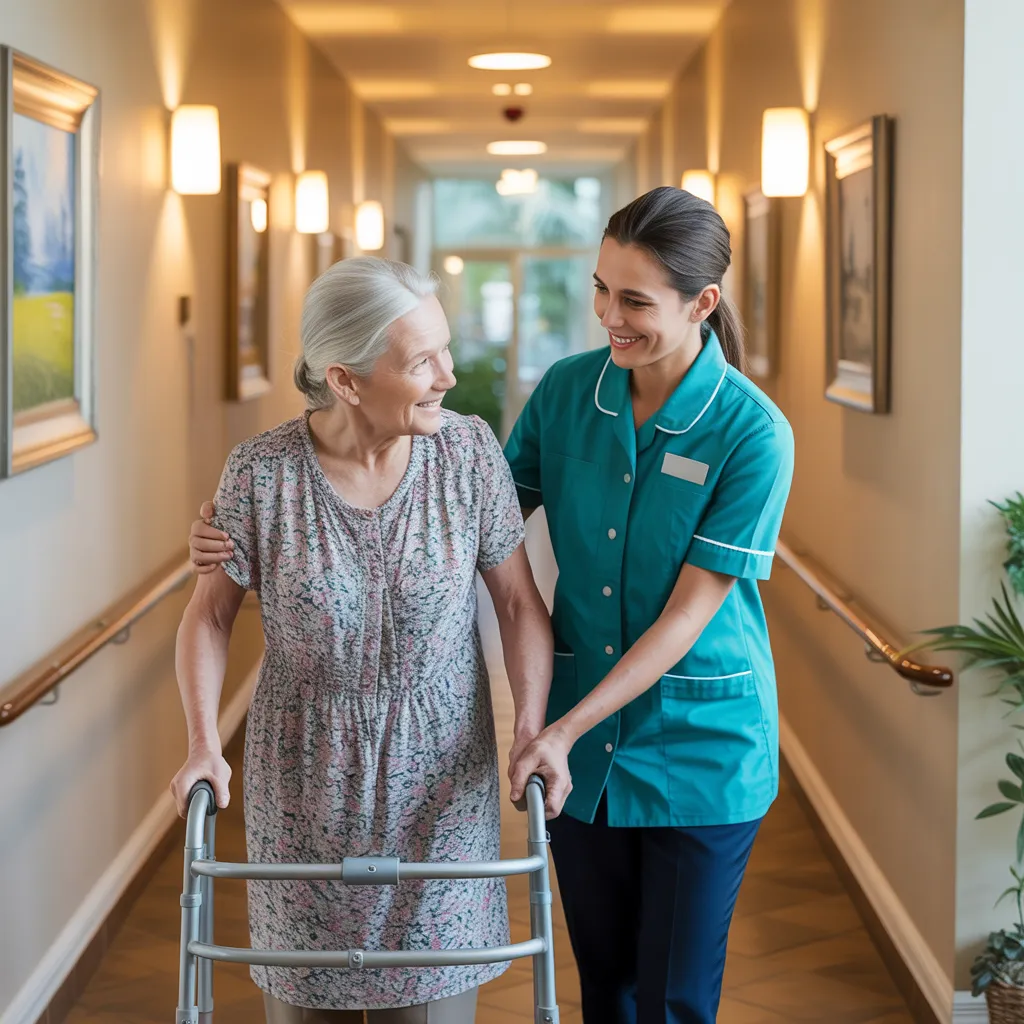
Which Elderly Options Are Right Perfect for You?
When assessing senior living choices, how does one determine the best match for their needs and lifestyle? Individuals must first evaluate their personal requirements, including health, mobility, and social preferences. There are various options, including independent living, assisted living, and nursing homes, each designed for different levels of care and independence.
Independent living suits those seeking a lifestyle free from upkeep while keeping autonomy. In contrast, assisted living supplies aid for routine activities, appealing to those needing additional support. Nursing homes deliver comprehensive medical care for individuals dealing with major health issues.
Furthermore, factors like location, community amenities, and cost play a vital role in decision-making. It is important to assess personal preferences, explore potential communities, and collect information on services offered. Ultimately, the right option fits with the individual's lifestyle, ensuring comfort and satisfaction in their new residential situation.
Active Adult Communities: Enjoyable Mature Adult Living Solutions
Active adult communities present an exciting alternative for seniors seeking a energetic lifestyle without the responsibilities of maintaining a home. These communities are built for residents aged 55 and older, emphasizing social engagement and active living. Residents can delight in a variety of resources, such as fitness centers, swimming pools, and walking trails, encouraging a healthy and energetic lifestyle.
Social occasions are plentiful, featuring clubs, classes, and structured excursions, building a feeling of connection and inclusion. This atmosphere allows seniors to create new friendships and engage in common hobbies. Additionally, many active adult communities present opportunities for lifelong learning through workshops and educational programs.
Upkeep and grounds care are usually handled by the community, allowing residents to focus on enjoying their retirement. These communities serve those who wish to remain self-reliant while still benefiting from a supportive environment, making them an attractive option for many seniors.
Independent Living: Customized Choices for Your Way of Life
Senior independent living delivers a flexible and personalized option to retirement, permitting them to maintain their autonomy while accessing essential support services. This option is designed for those who are largely self-sufficient but appreciate the availability of resources that increase their quality of life.
Residents can select from diverse housing types, including apartments, cottages, or single-family homes, tailored to individual preferences. Many independent living communities provide amenities such as fitness centers, social activities, and dining options that foster community engagement.
Safety amenities, such as emergency call systems and secure entry points, are frequently built in, providing confidence to both residents and their families.
Assisted Living: Managing Self-reliance and Assistance
Assisted living offers an crucial equilibrium between independence and assistance, serving seniors who need varying degrees of assistance with everyday tasks while still cherishing their independence. In these facilities, residents gain from personalized care tailored to their specific requirements, such as help find details about with managing medications, showering, and preparing meals.
In contrast to nursing homes, residential care communities support residents in keeping up with their daily routines and interpersonal bonds, establishing a sense of connection and acceptance. Activities and programs are frequently structured to motivate residents, advancing mental and physical well-being.
Family relatives can feel reassured knowing that their loved ones are in a secure environment where trained staff is on hand around the clock. This approach not only enhances the standard of living for seniors but also promotes their desire for autonomy, allowing them to flourish in a nurturing and empowering setting.
Memory Care: Custom Spaces for Mental Needs
Given that neurological deterioration can considerably impact day-to-day activities, memory care facilities are fashioned to present adapted environments that address the distinctive requirements of people with dementia conditions, such as Alzheimer's or dementia. These venues underline safety, presenting secure spaces to prevent wandering and minimize confusion. Team members are trained specifically in procedures to communicate effectively and interact with residents meaningfully, constructing a sense of stability and reassurance.
Memory care initiatives frequently include structured activities that stimulate cognitive function and encourage social interaction. These programs may vary from creative therapy to fitness programs, customized to enhance recall and preserve skills. Additionally, the environment is typically designed with recognizable designs and comforting decor to reduce anxiety and promote a sense of belonging. Overall, memory care facilities aim to create a supportive community that promotes independence while guaranteeing that individuals get the expert support they require.
Expert Nursing Facilities: Holistic Treatment for Aging Patients
Skilled nursing facilities deliver a range of service offerings suited to the needs of seniors. These facilities supply specialized medical services, guaranteeing residents obtain the vital attention for their medical situations. Additionally, they stress activities and social engagement, promoting a holistic approach to senior health.
Forms Of Skilled Nursing
A assortment of professional care options provide necessary care for seniors with varied needs. These facilities typically divide into multiple classifications, each designed to address specific requirements. Traditional skilled nursing facilities supply 24/7 healthcare and rehabilitation services for individuals mending from surgery or illness. Memory care units specialize in supporting seniors with Alzheimer's or dementia, supplying a protected environment and personalized activities. Short-term rehabilitation centers focus on post-acute care, supporting seniors in rebuilding strength after hospitalization. Long-term care facilities accommodate to those needing ongoing assistance with daily activities. Each type of skilled nursing facility assures that seniors obtain the appropriate level of support, nurturing both health and well-being in a empathetic environment.
Expert Medical Offerings Available
While considering the varied concerns of seniors, expert healthcare offered in nursing homes play an essential role in ensuring full care. These institutions provide a range of healthcare tailored to personal health requirements, covering medication management, therapeutic exercise, and sore treatment. Experienced medical professionals are trained to address complex medical conditions, ensuring that each guest receives personalized attention. Also, these institutions commonly have access to clinical experts who can provide further appraisals and remedies, strengthening the overall quality of assistance. Support activities such as food guidance and suffering relief are as well integral, fostering a unified approach to well-being. By combining these specialized activities, skilled nursing facilities facilitate seniors maintain their condition and dignity in a encouraging locale.
Social Programs and Activities
In addition to specialized medical services, social interaction and recreational involvement form a vital part in the comprehensive health of seniors in skilled nursing facilities. These offerings facilitate meaningful connections, mitigate isolation and depression, and boost emotional health. Structured activities including arts and crafts, exercise classes, and group outings inspire participation, enabling residents to interact with peers and establish friendships. Frequent community activities, such as movie nights and themed celebrations, nurture belonging and strengthen community bonds. Furthermore, participating in cognitive activities—including games and puzzles—enhances mental sharpness. Through emphasizing activities and social engagement, skilled nursing facilities improve the quality of life for seniors while also supporting their overall health journey and happiness.
Key Inquiries to Assist You Navigate Your Senior Living Choices?
When assessing senior living options, individuals should contemplate several key questions. Notable lifestyle preferences, health care expectations, and budget issues play critical roles in shaping one's decision. Handling these aspects can lead to a more aware and satisfying selection.
Essential Daily Life Preferences
How do people determine their ideal senior living environment? Key lifestyle preferences are vital in this decision-making process. Seniors often review their daily routines, social activities, and personal interests to discover a suitable community. Some may emphasize an active lifestyle, looking for amenities like fitness classes, walking trails, or organized group outings. Others might appreciate tranquility, selecting quieter settings with gardens or reading nooks. Additionally, culinary preferences can shape choices, as some residents desire diverse dining options or specialized dietary accommodations. Understanding these lifestyle priorities helps prospective residents pinpoint environments that align with their values and habits, enabling a smoother change to a fulfilling senior living experience.
Health Care Needs
Picking the correct senior living situation also calls for careful thought of healthcare demands. Individuals must examine their current health situation and anticipate forthcoming medical requirements. It is vital to grasp the extent of medical assistance provided, such as aid with routine activities, medication oversight, and having access to on-site healthcare specialists.
Families need to inquire about the availability of dedicated care for chronic diseases, rehab, and emergency care. In addition, proximity to hospitals and specialists can strongly influence overall health management. Evaluating the staff-to-resident ratio and staff qualifications also plays a vital role in ensuring adequate support. By giving priority to these health care aspects, seniors and their families can decide confidently that match their well-being and lifestyle preferences.
Cost Considerations
While assessing senior living options, budget concerns play an essential role in influencing decisions. Prospective residents must consider not only the monthly charges but also additional costs such as food, utilities, and healthcare services. Understanding the payment plan is crucial; options may include buy-ins, monthly rentals, or long-term leases. It is crucial to take into account potential financial assistance programs or insurance coverage that could alleviate costs. Additionally, evaluating the benefit of amenities and services provided in the price can help determine if a specific facility meets one's financial and lifestyle needs. Ultimately, transparent budgeting enables seniors and their families to make thoughtful choices that align with their financial resources and desired quality of life.
Regularly Posed Questions
What Costs Are Included with Different Senior Living Plans?
Charges for senior living options vary considerably, including monthly fees, entrance fees, and additional services. Independent living typically ranges from $2,000 to $4,000 monthly, while assisted living can go beyond $5,000, depending on location and amenities.
How Can I Identify the Best Area for Senior Living Needs?
Choosing the ideal location for elderly care requires taking into account proximity to family, medical centers, and community amenities. Evaluating safety, weather conditions, and social opportunities also ensures a comfortable and fulfilling living environment for older adults.
Do Senior Living Communities Accept Animals?
Retirement facilities frequently allow pets, recognizing their emotional benefits. However, regulations vary significantly; some may impose limitations on types, sizes, or numbers of pets, so potential tenants should inquire directly with each community.
What features Are Commonly Provided in Senior Living Facilities?
Senior living facilities typically offer features including fitness centers, dining options, social activities, transportation services, wellness programs, and outdoor spaces. These features aim to enhance residents' standard of living and foster community engagement.
How Can Family Members Maintain Involvement in Care Decisions?
Relatives of the family can remain engaged in treatment choices through attending meetings, maintaining consistent contact with staff, taking part in care planning sessions, and championing their loved one's preferences and needs, ensuring a collaborative approach to care.